Black Holes
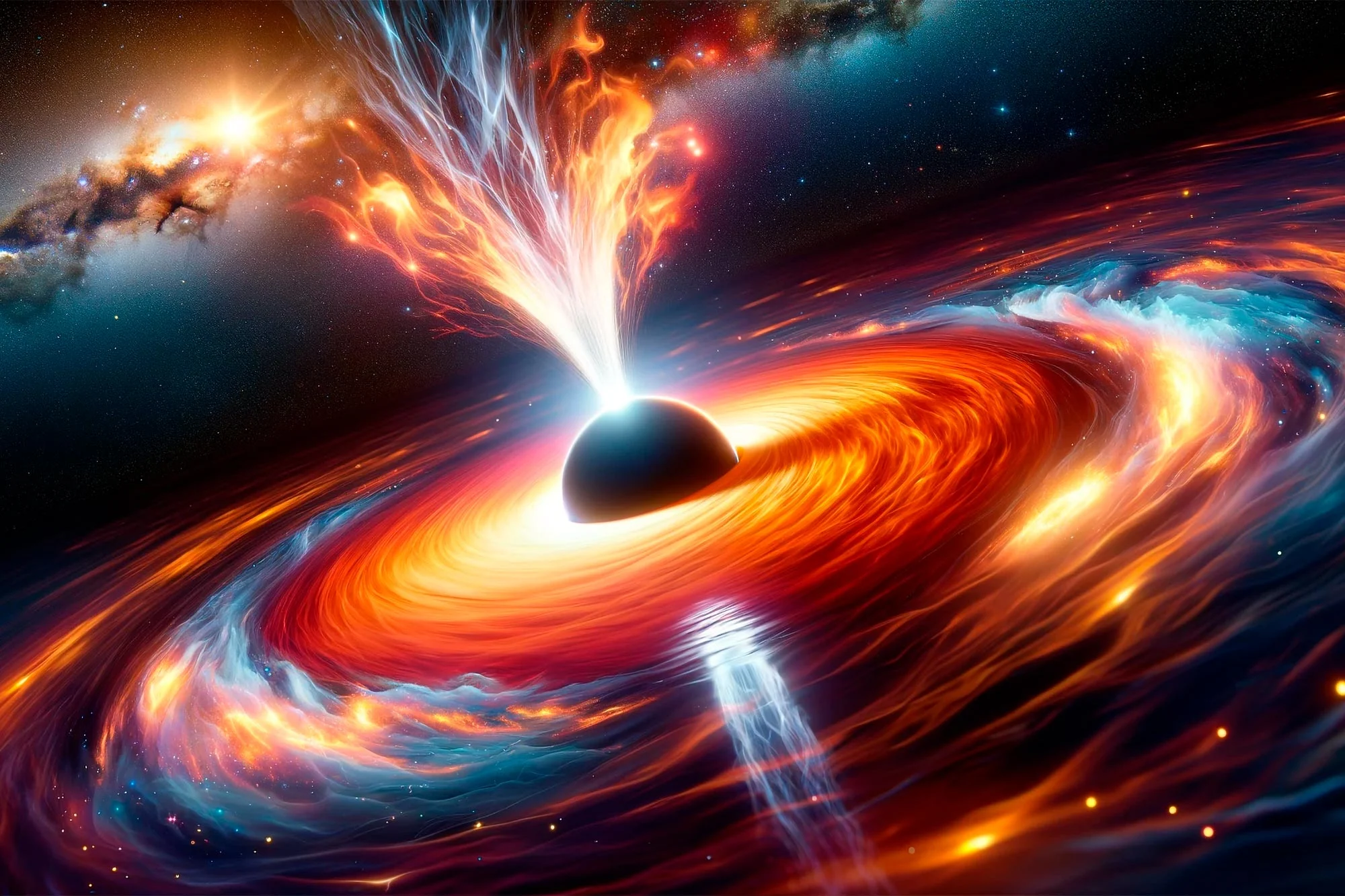
Black holes are fascinating objects in space with gravity so strong that nothing can escape, not even light! They usually form when a massive star collapses after a supernova blast. These lengths of spacetime warp the universe, changing the path of nearby gas and stars.
Supernovas
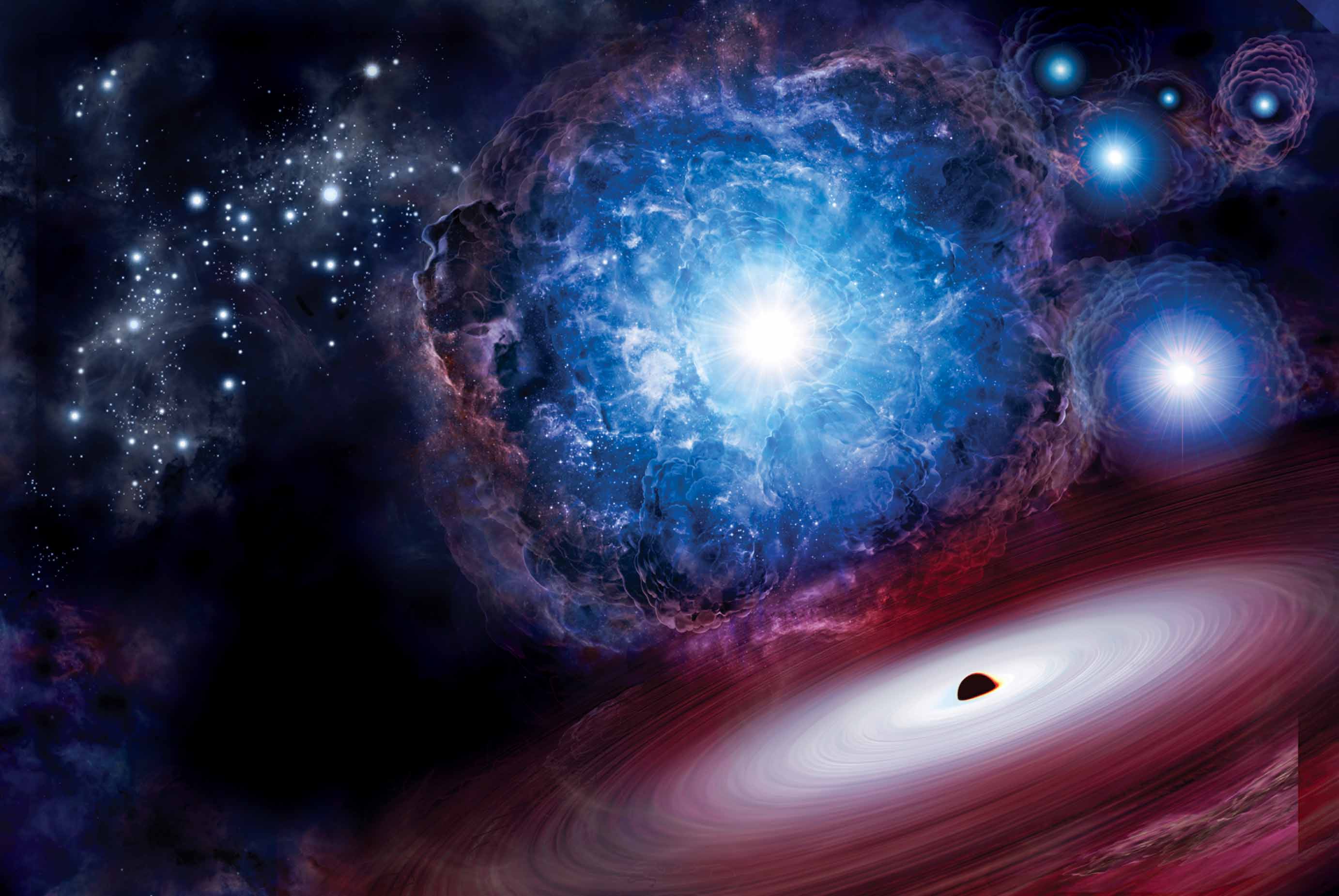
Supernovas are powerful explosions that occur at the end of a massive star's life or in a binary system with a white dwarf. They can outshine entire galaxies and are responsible for creating heavy elements in the universe.
Nebulas
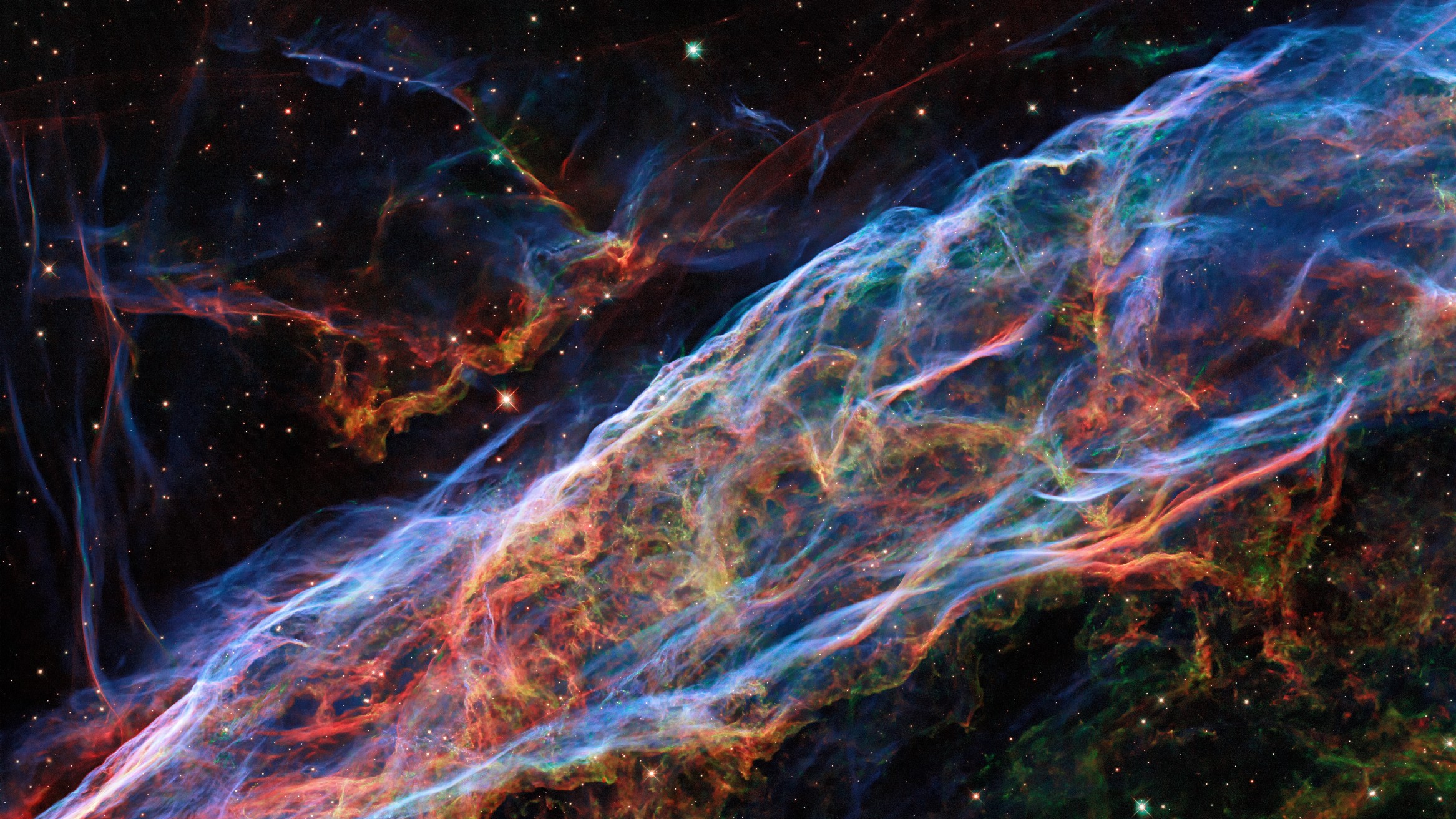
Nebulas are vast clouds of gas and dust in space, often serving as stellar nurseries where new stars are born. These luminous regions can consist of ionized, neutral, or molecular hydrogen and cosmic dust, creating spectacular displays of color and light. Nebulas come in various forms, including emission, reflection, and dark nebulas, each with unique characteristics. They play a crucial role in the life cycle of stars, forming from the remnants of dying stars or from interstellar gas and dust clouds.
Watch the videos to learn more in-depth about the topics listed above
Click on the buttons below to learn more about specific topics!